

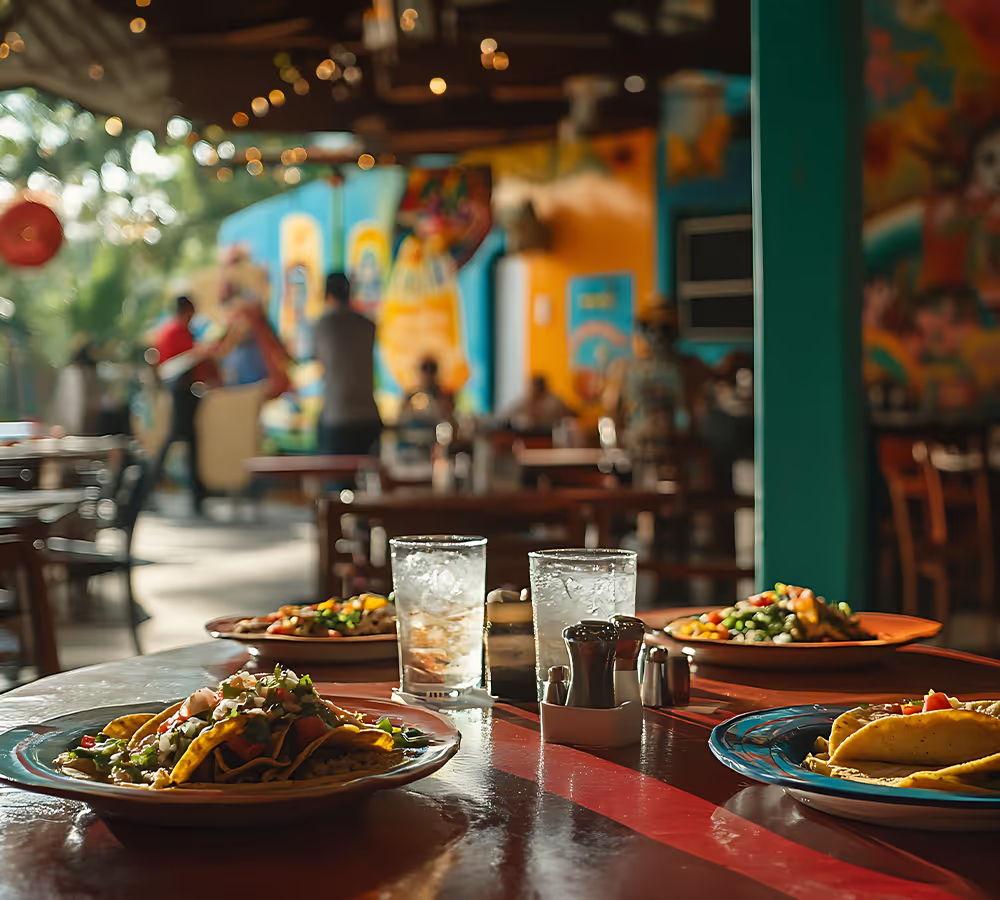
The challenge: a busy taquería running on a paper schedule and a group text.
El Patrón Taquería & Cantina is the kind of San Antonio spot that's packed at lunch, packed at dinner, and somehow still has a wait on a Tuesday. The food is great. The crew is tight. But behind the swinging kitchen door, the operation was running on a printed schedule taped to the office wall, a group text that nobody could find anything in, and a notebook of opening and closing checklists that may or may not have actually gotten done.
The team had grown to roughly 40 people across line cooks, prep, dishwashers, servers, bartenders, hosts, and managers — some primarily English-speaking, most primarily Spanish-speaking. Every Sunday the schedule went up. Every Monday the texts started: who's covering, who's swapping, who didn't see it. Anything that wasn't said in person rarely landed.
Finding a system the whole crew would actually open.
El Patrón didn't need a fancy POS add-on or another login. They needed one app the dishwasher and the GM would both use — in whichever language they preferred. teamsly fit because the schedule, the time clock, the tasks, and the training all live in the same place, and every screen reads in English or Spanish.
The crew adopted it fast. Within a couple of weeks the printed schedule came down, the group text quieted, and the office notebook of side-work lists got recycled.
I needed something my whole kitchen would actually use. The fact that every employee can read everything in Spanish was the thing that made it stick.
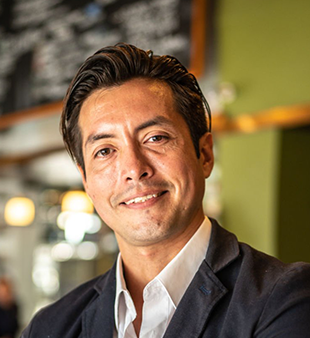
One schedule for the whole house.
Managers build the weekly schedule in teamsly by role — line, prep, dish, servers, bar, host — and publish it once. Every employee gets it on their phone, in their language. Swap requests, time-off requests, and availability all happen in the app instead of in a side-text to the GM.
When somebody calls out 30 minutes before a Friday dinner rush, the manager posts the open shift, and it goes to the people qualified for that role — not the whole staff. Coverage gets filled without lighting up everyone's phone.
A time clock that actually ties out at the end of the week.
Line cooks and dishwashers clock in from a shared tablet in the back. Servers and bartenders punch in from their phones. Either way, every punch is tied to the shift on the schedule — so when a manager closes out the week, the hours already line up with who was supposed to be there.
Late punches, missed punches, and early outs are all visible in one place instead of being reconstructed from memory on payroll day.
Prep, close, and side work — off paper, on the phone.
The kitchen lives and dies by routines. Prep lists in the morning. Side work during the shift. A full close at night. El Patrón moved every one of those checklists into the teamsly task manager. Each one is assigned to the right role, repeats on the right days, and shows the manager who actually finished what.
When a task needs proof — walk-in temps, cleaned grill, sanitized prep tables, mopped floors — the employee snaps a photo and it's stamped to the task. The next morning's opening manager doesn't have to wonder whether the close got done. They can see it.
Examples of what El Patrón runs in teamsly:
- Opening prep list by station (carnitas, salsas, beans, rice, tortillas)
- Server side work — silverware roll-ups, refilling sauces, restocking
- Bar opening and closing inventory
- Walk-in and reach-in temperature checks with photo proof
- Line break-down and sanitization at close
- Dish pit deep-clean rotation
- Restroom checks throughout the shift
- End-of-night close-out and lock-up checklist
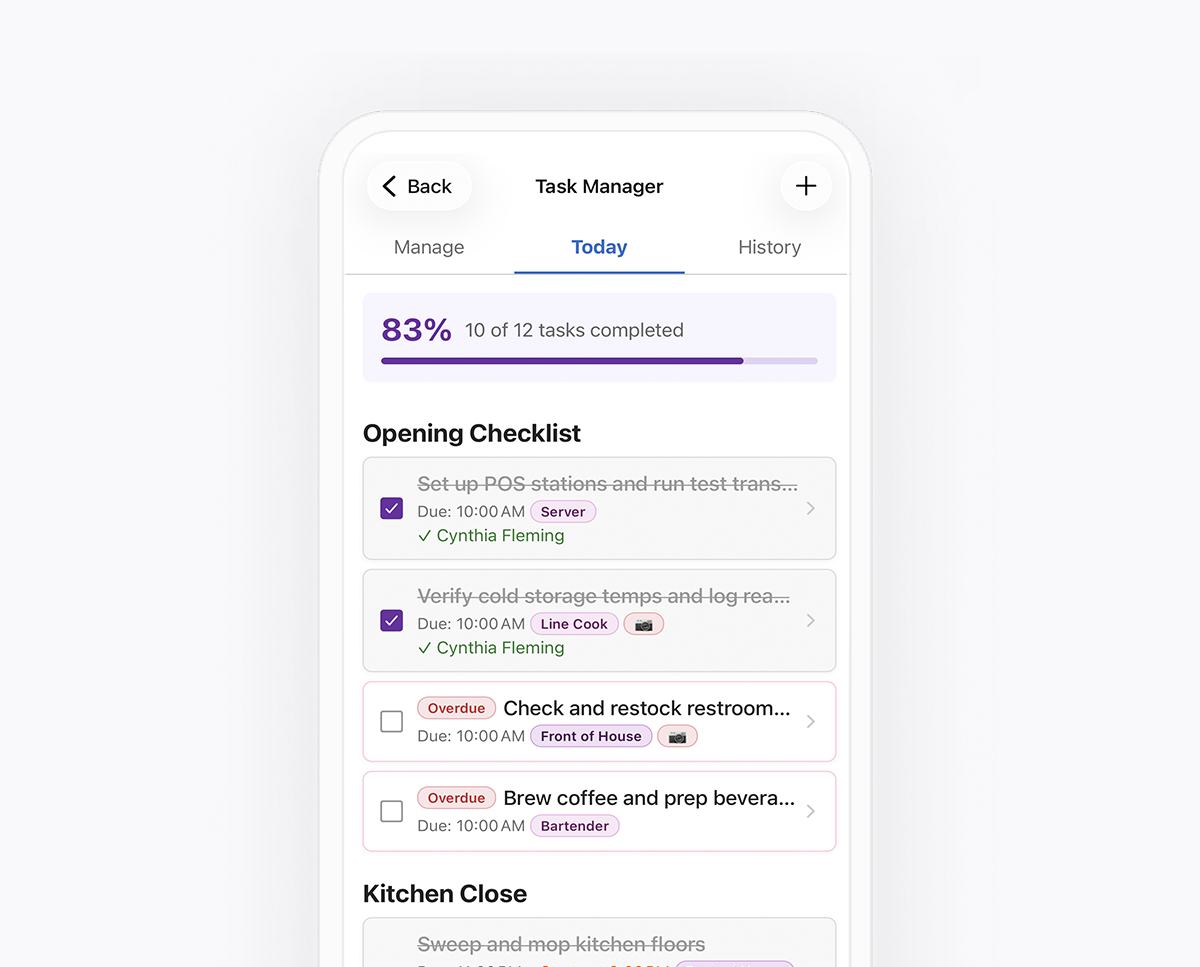
El Patrón replaced a printed schedule, a notebook of side-work lists, and a noisy group text with one app the whole crew opens — in whichever language they prefer.
40
employees on one schedule, one time clock, and one task manager
2
languages — every shift, task, and training reads in English or Spanish
Training and quizzes that get new hires up to speed.
Restaurants live or die on consistency, and consistency dies fast when new hires learn the job by watching whoever happens to be on the line that day. El Patrón built out training in teamsly for the basics every new employee needs: food safety, allergen handling, salsa and prep recipes, plating standards, opening and closing routines, POS basics for servers, and the cantina's house cocktails.
Each lesson ends in a short quiz, and managers can see who passed, who's pending, and who needs a re-do — without chasing anyone down. New hires get the same standard every time, in the language they read best.
Before, training was whoever showed the new person around that day. Now everybody starts with the same lessons and the same quizzes, and I can actually see who's ready for the floor.
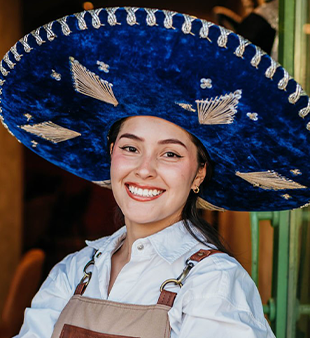
Bilingual isn't a setting — it's the whole point.
A lot of restaurant software treats Spanish as an afterthought — the schedule's in English, the tasks are in English, and the back of house figures it out. El Patrón needed the opposite. The line cooks, prep, and dish team mostly read in Spanish. The servers, bar, and management mostly read in English. Everybody had to be able to open the same app and understand exactly what they were looking at.
In teamsly, every employee picks their language, and from then on their schedule, their tasks, their training, and their notifications all show up in it. No translating side-work lists by hand. No translating a manager's note into Spanish before posting it. The app does it.
The results.
- One schedule for all 40 employees across the line, prep, dish, servers, bar, host, and managers.
- Time clock punches tied to shifts, so payroll week closes without reconstructing who was actually here.
- Open, side-work, and close checklists off paper and into the task manager — with photo proof when it matters.
- Training and quizzes built once, run for every new hire, in the language they read best.
- Bilingual by default — every employee opens the same app and sees the same thing, in English or Spanish.
- Group-text chaos replaced by swap requests, open shifts, and announcements that go to the right people.
What's next for El Patrón.
With the back of house running clean on schedules, time, and tasks, the team is leaning into the standards side — deeper training tracks for line cooks and bartenders, sharper opening and closing audits, and tighter labor visibility heading into the next busy season. The goal is the same one that's always been there: keep the food great, keep the crew happy, and make running the restaurant a little less chaotic every month.